

Full-suite nondestructive testing for pipeline, energy and offshore construction, led by our proprietary UT Scan automated ultrasonic (AUT) technology, designed and built in-house. UT Quality runs as three divisions — union operations in the United States and Canada, and an open-shop offshore division working the Gulf of Mexico. A RAE Energy company.
UT Quality operates as three divisions — union NDT in the United States and Canada, and an open-shop offshore division in the Gulf of Mexico. All three run the same full-suite methods under standardized written procedures and Level III oversight. Select a division to continue.
Union NDT crews for U.S. pipeline, midstream and industrial construction, with technicians certified to SNT-TC-1A / CP-189 — the full conventional and digital suite.
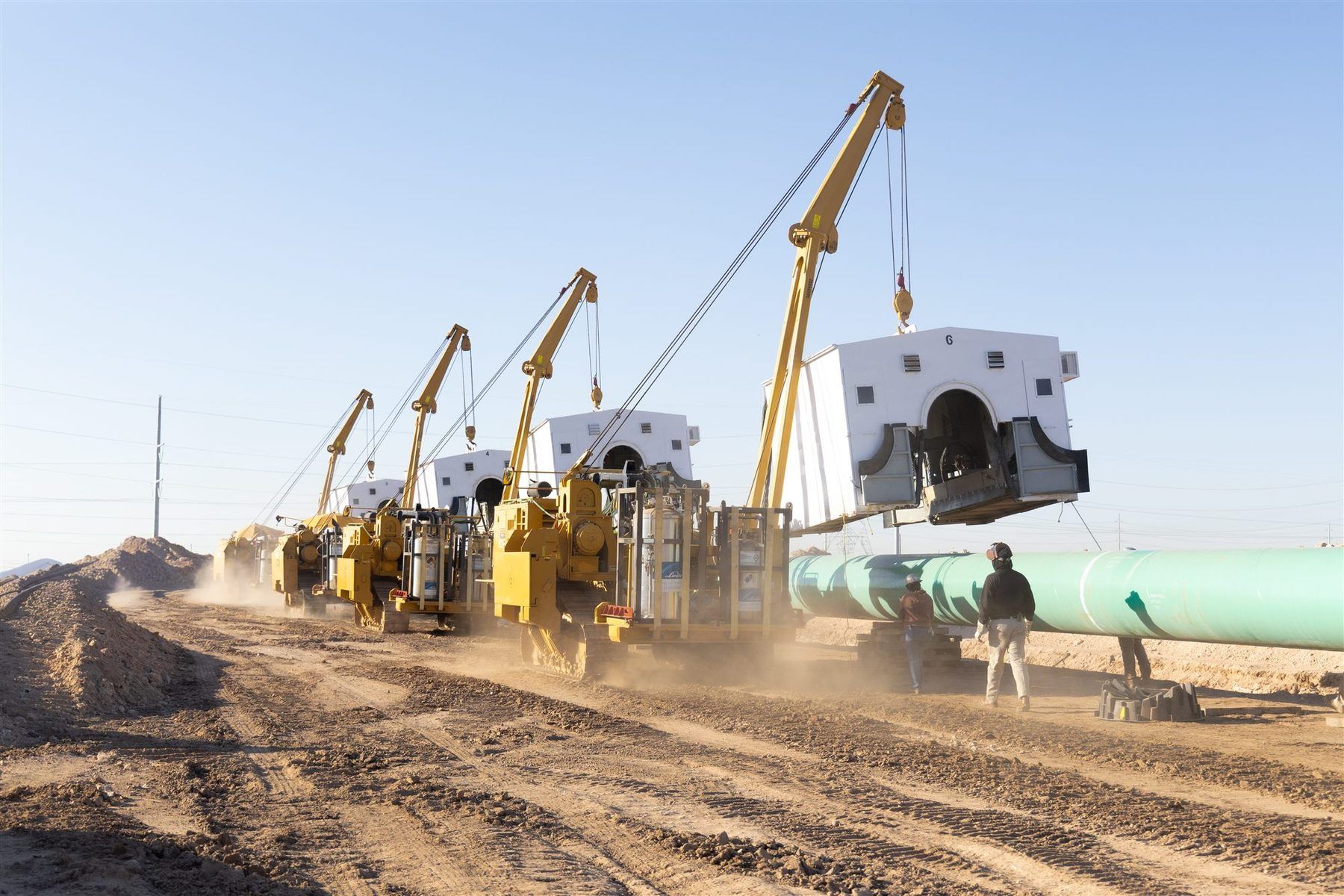
Union NDT crews across Canada as a QCCC Signatory Contractor, with technicians certified to CGSB, based in Alberta — the same full-suite capability, Canadian coverage.
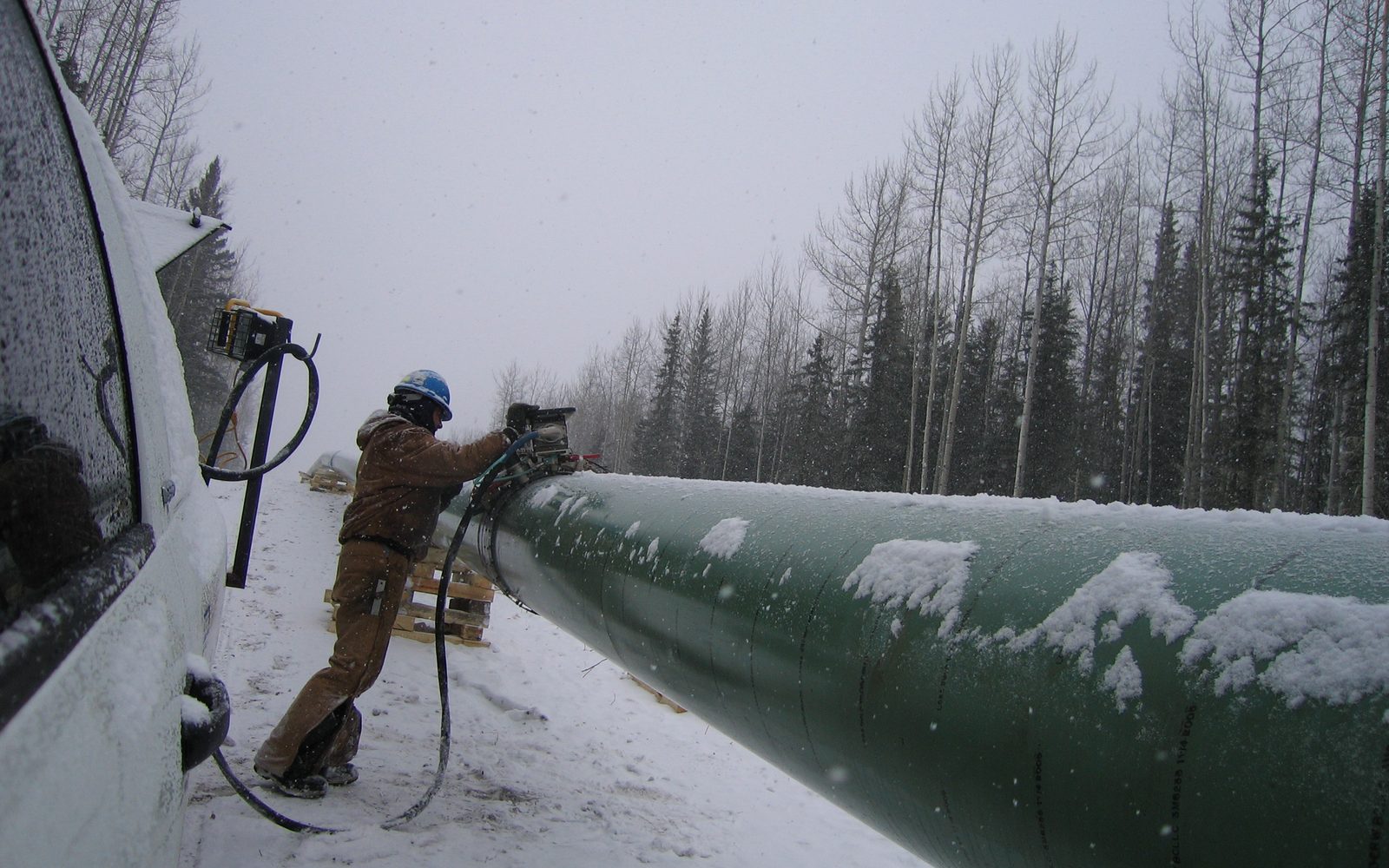
Open-shop NDT crews for offshore pipeline construction, tie-ins and spoolbase support in the Gulf of Mexico — the full conventional and digital suite.
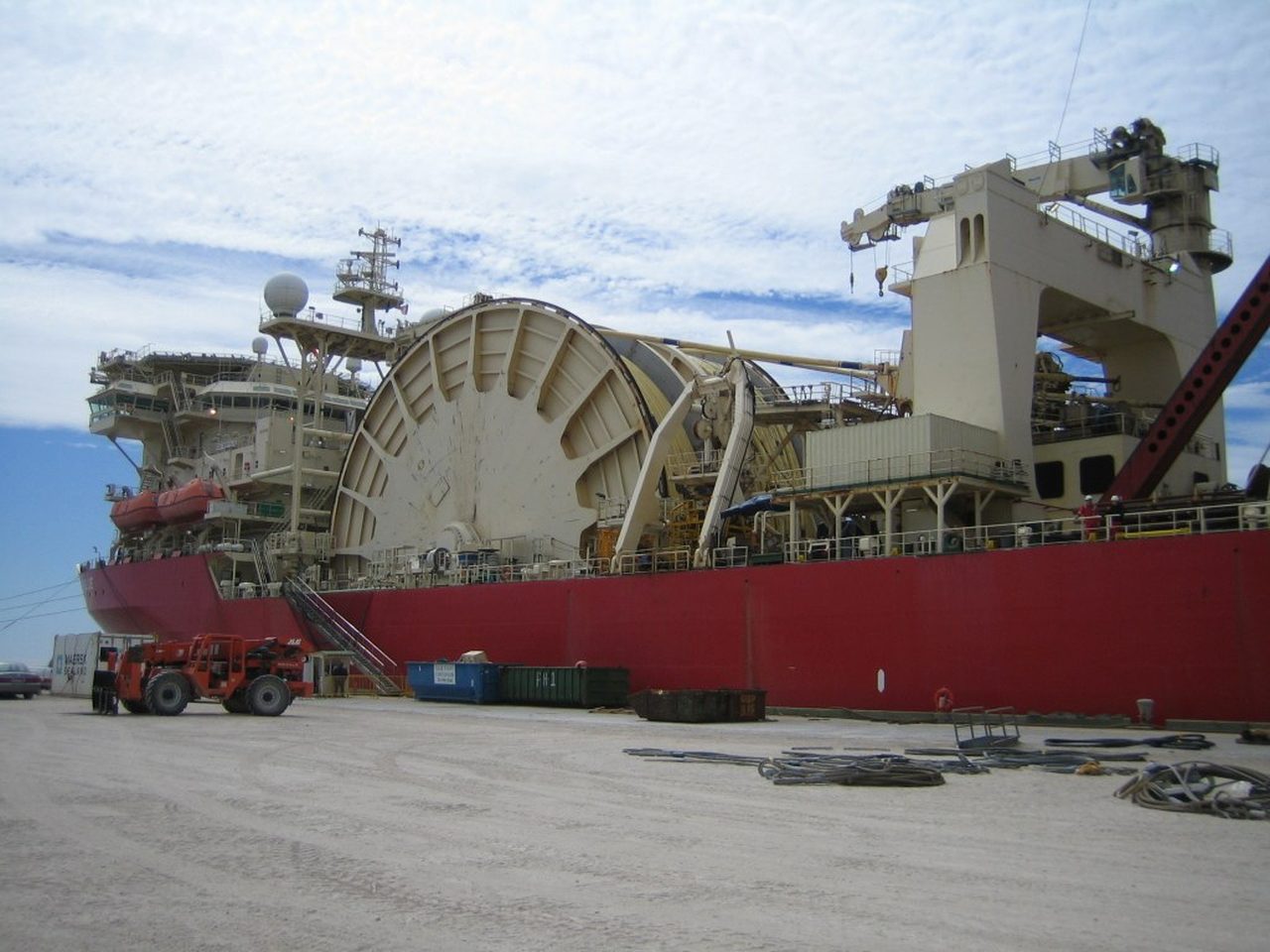
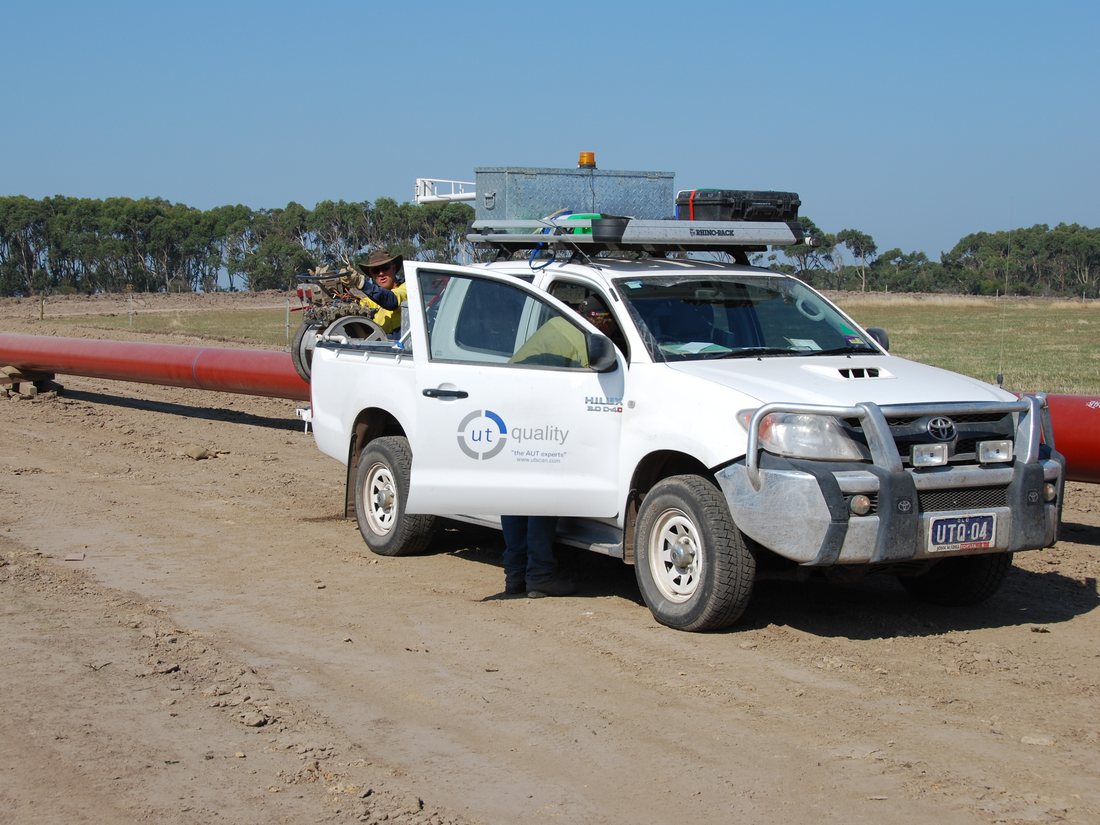
UT Quality is a nondestructive testing provider founded in 2003, serving the energy and industrial sectors with both conventional and digital inspection methods — pairing field-proven union crews with our advanced, proprietary UT Scan automated ultrasonic technology.
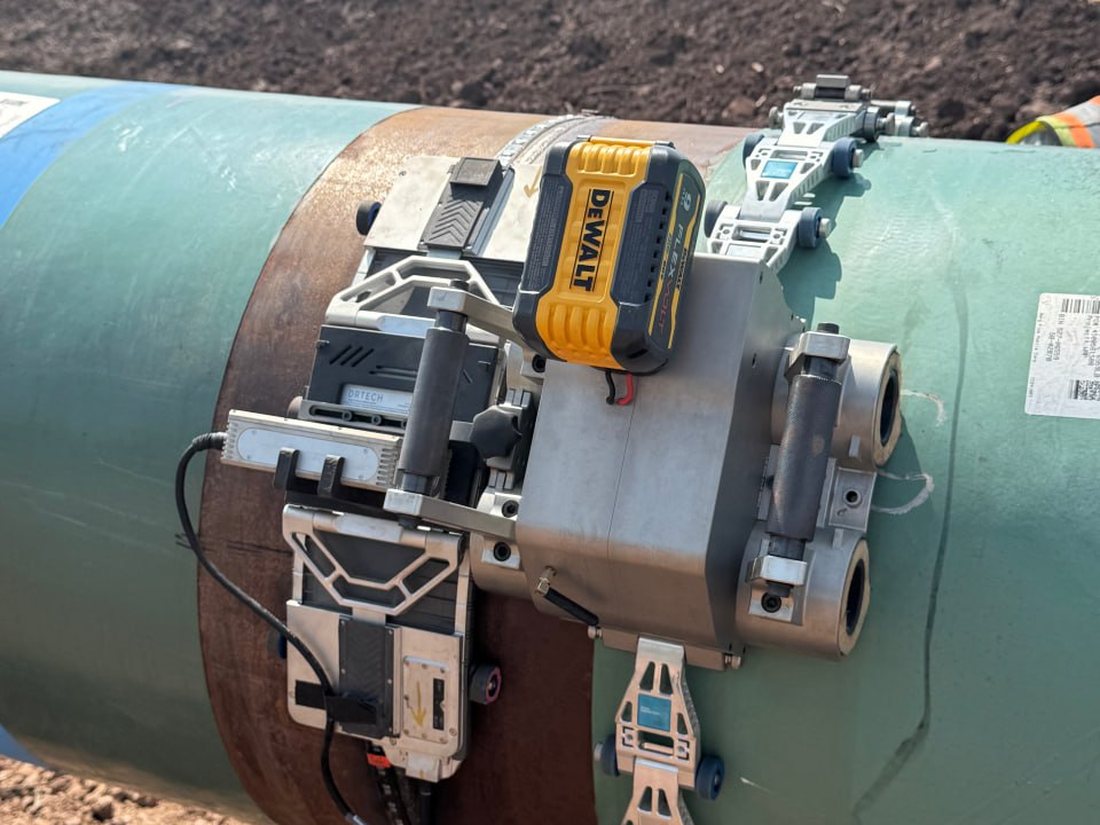
Our proprietary UT Scan automated ultrasonic testing (AUT), phased array (PAUT) and TOFD deliver fast, repeatable, encoded girth-weld inspection for pipeline construction — with semi-automated encoded PAUT for tie-ins, repairs and fittings.
Computed radiography (CR), direct radiography (DR) and real-time radiography (RTR) alongside conventional film — the full radiographic toolkit.
Surface and volumetric methods — MT, PT, VT and UT — with Level II/III interpretation and multi-code acceptance across API 1104, ASME and AWS.
Deep-dive resources on the technology, the codes, and the decisions that put the right method on every weld.
AUT / PAUT
How an encoded scanner reads a girth weld zone by zone — and clears it without film.
Explore AUT →Radiography
Exposure by diameter plus 45 minutes of darkroom — add it in and digital is 5–48× faster to a decision, every size.
See the comparison →Heavy wall
RT exposure and source energy climb with wall thickness; AUT/PAUT scan time rises far more gently — typically 5–10 minutes a weld.
See the chart →Method selection
A clear decision flow for when RT is still right and when ultrasonics should be primary.
See the decision flow →The RAE family of companies